
The Timeless Beauty of Travertine Stone
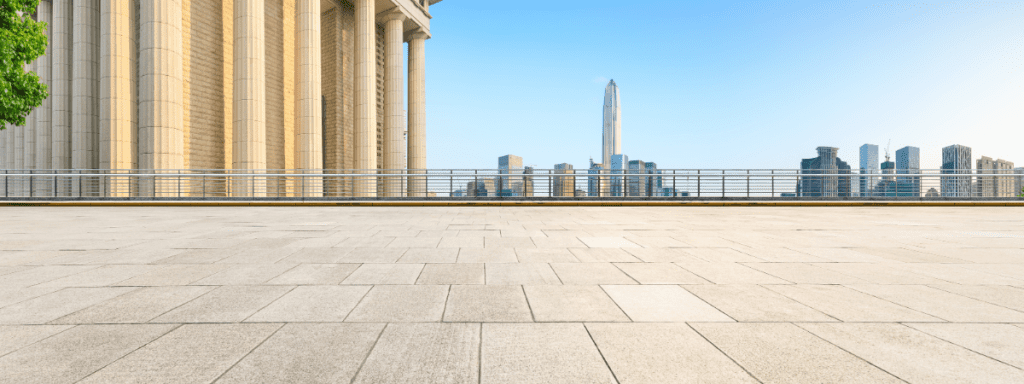
When it comes to creating elegant and enduring spaces, few materials rival the beauty and history of travertine stone. This natural stone, formed over thousands of years around mineral springs and limestone caves, has been used since ancient Roman times to build structures that still stand today. From the Colosseum to modern luxury homes, travertine continues to be a favorite among architects, designers, and homeowners seeking sophistication and strength in equal measure.
Today, natural travertine remains one of the most widely used materials for flooring, wall cladding, facades, bathrooms, and outdoor living spaces throughout the UAE and worldwide.
What Is Travertine Stone?
Travertine is a type of sedimentary limestone created by the rapid precipitation of calcium carbonate, typically near hot springs or limestone caves. Its unique formation process gives it the porous texture and layered appearance that make it so distinctive. The natural pits and voids in travertine are often filled and finished, resulting in a smooth yet organic surface that showcases the stone’s natural character.
Available in a wide range of warm tones such as ivory, beige, walnut, gold, cream, chocolate, and silver, travertine stone complements both modern and traditional architectural styles.
Each slab and travertine tile displays unique natural movement, ensuring no two pieces are exactly alike.
Why Travertine Is So Popular
Travertine has remained in demand for centuries because it strikes a balance between beauty, versatility, and durability.
Timeless Appeal
Travertine never goes out of style. Its soft natural colours and textures create a warm and elegant appearance that works across changing design trends.
Durability
With proper installation and maintenance, travertine flooring and wall surfaces can last for decades while maintaining their natural beauty.
Eco-Friendly Material
As a natural stone, travertine requires less industrial processing than many artificial alternatives, making it a sustainable material choice.
Versatility
Travertine can be used for:
- Travertine flooring
- Travertine wall cladding
- Travertine stairs
- Travertine facades
- Bathroom walls
- Outdoor paving
- Pool surrounds
Naturally Cool Surface
Travertine remains comfortable underfoot even in hot climates, making it particularly popular in Dubai and across the UAE.
For additional colours and styles, explore our Travertine Collection .
Why Travertine Is Popular in UAE Architecture
Travertine stone has become one of the preferred materials for luxury villas, hotels, and commercial projects throughout Dubai and the UAE.
The stone performs exceptionally well in warm climates due to its natural thermal properties and light-reflective colours. Architects frequently specify travertine for facades, flooring, courtyards, and pool areas because it creates a timeless appearance while remaining suitable for outdoor conditions.
Modern UAE projects often combine silver travertine, cream travertine, and beige travertine with glass, metal, and contemporary architectural elements to create elegant and long-lasting spaces.
Types and Finishes of Travertine
Travertine stone is available in several finishes, each creating a different visual effect.
Polished Travertine
Sleek, glossy, and elegant. Commonly used in luxury interiors, bathrooms, feature walls, and hospitality projects.
Honed Travertine
Smooth with a matte appearance, making it one of the most popular finishes for travertine flooring and wall applications.
Filled Travertine
The natural pores are filled to create a smoother surface, simplifying maintenance and cleaning.
Antique (Tumbled) Travertine
A textured finish that creates a more rustic and traditional appearance, often used for outdoor applications.
Travertine in Interior Design
Travertine Flooring
Travertine flooring remains one of the most popular applications of this natural stone.
Its neutral tones work with almost any interior style while providing durability and long-term value. Travertine floor tiles are commonly used in villas, apartments, hotels, and commercial developments throughout the UAE.
Walls and Feature Surfaces
Travertine wall cladding introduces texture, warmth, and architectural depth.
A travertine feature wall can transform a simple room into a sophisticated interior while maintaining a natural and timeless aesthetic.
Travertine in Outdoor Spaces
Travertine’s natural resistance to heat and textured surface make it ideal for outdoor environments.
Popular applications include:
Pool Decks
The stone remains cool underfoot and offers excellent comfort around swimming pools.
Patios and Courtyards
Travertine pavers create elegant outdoor living spaces that age beautifully over time.
Walkways and Facades
Travertine for facades continues to be widely used in contemporary villa architecture because of its natural appearance and long-term durability.
Caring for Travertine
Like all natural stones, travertine benefits from routine maintenance.
Recommended Care
- Seal periodically
- Use pH-neutral cleaners
- Wipe spills promptly
- Avoid abrasive cleaning tools
With proper care, travertine surfaces can retain their appearance for decades.
Travertine vs Marble
Many clients compare travertine and marble when selecting natural stone for a project.
Travertine typically offers a warmer and more textured appearance, while marble provides a smoother surface with more dramatic veining and a more formal aesthetic.
Both materials are widely used in luxury architecture, and the best choice depends on the design goals, application, and maintenance preferences of the project.
You can explore our full Marble Collection to compare natural marble options with travertine.
Sustainable Luxury from Nature
Travertine is more than a building material. Each slab reflects thousands of years of geological formation, transforming natural minerals into a unique architectural surface.
Its durability, sustainability, and timeless beauty make travertine one of the most enduring natural stones available today.
Conclusion
Whether you are designing a luxury villa, renovating a residence, or developing a commercial project, travertine stone offers a unique combination of elegance, durability, and architectural versatility.
From travertine flooring and wall cladding to facades and outdoor paving, this natural stone remains one of the most trusted materials in contemporary architecture.
Its ability to combine natural beauty with long-term performance ensures that travertine will continue to be a preferred choice for architects, designers, and homeowners for generations to come.