
Travertine Finishes Explained: Honed, Polished, Filled, and Antique
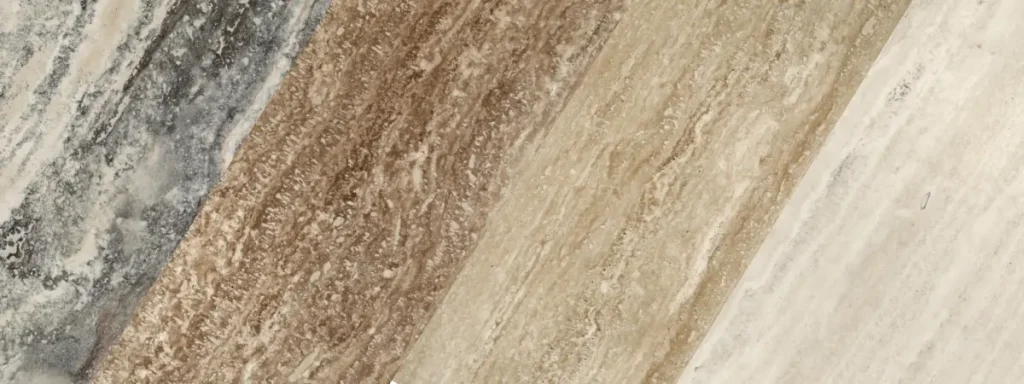
Travertine is one of the most widely used natural stones for flooring, wall cladding, and interior design projects. Its natural texture, warm tones, and durability make it a preferred choice for villas, apartments, and commercial spaces.
If you are exploring different types of travertine, you can view the full collection here .
Choosing the right travertine is not only about color or size the finish plays a major role in how the stone looks, feels, and performs over time.
What Is Natural Travertine?
Travertine is a natural limestone formed through mineral deposits. Its surface contains small pores and variations, giving each tile a unique texture and pattern.
These natural characteristics can be enhanced or modified depending on the finish.
You can explore available travertine options including cream, silver, and beige tones here .
Honed Travertine
Honed travertine is one of the most popular finishes, especially for flooring.
The surface is smoothed without adding shine, resulting in a matte and natural appearance.
Because it is not glossy, honed travertine offers better slip resistance, making it ideal for high-traffic areas.
Best uses:
- Living room floors
- Hallways
- Kitchens
- Commercial flooring
For flooring projects, honed travertine is one of the safest and most practical choices.
You can explore options like cream travertine tiles here .
Honed and Filled Travertine
Travertine naturally contains small holes. In honed and filled travertine, these pores are filled to create a smoother and more uniform surface.
It’s important to understand:
- Honed = smooth matte finish
- Filled = pores sealed
Together, they create a refined and practical surface.
Key benefits:
- Easier cleaning
- More uniform appearance
- Comfortable underfoot
This finish is highly recommended for indoor flooring projects .
View filled travertine options in the collection.
Polished Travertine
Polished travertine offers a glossy and reflective surface.
The polishing process enhances color depth and veining, giving the stone a more luxurious appearance.
Common uses:
- Feature walls
- Bathrooms
- Decorative spaces
Polished travertine is often used for statement designs and wall applications .
You can explore darker tones like silver or chocolate travertine here .
Antique (Tumbled) Travertine
Antique (tumbled) travertine has a textured, aged appearance.
The edges are softened, and the surface becomes slightly rough, creating a natural and rustic look.
Ideal uses:
- Outdoor areas
- Patios
- Pool surrounds
- Rustic interiors
This finish is ideal for projects that require both style and grip.
Travertine Colors and Styles
Travertine is available in a wide range of colors:
- Beige
- Cream
- Chocolate
- Noce
- Silver
- White
The finish affects how these colors appear.
- Polished → deeper, richer color
- Honed → softer, more neutral look
You can browse all available colors and styles here.
Choosing the Right Travertine Finish
The right finish depends on usage:
- Flooring → honed or honed & filled
- Decorative walls → polished
- Outdoor areas → antique
When selecting travertine, consider:
- Foot traffic
- Moisture exposure
- Maintenance level
- Design style
FAQ – Travertine Finishes
What is honed travertine?
A smooth, matte finish ideal for flooring.
What is filled travertine?
A surface where natural holes are filled for easier maintenance.
Is polished travertine slippery?
Yes, it can be more slippery and is better for walls.
Which finish is best for floors?
Honed or honed and filled travertine .
Conclusion
Travertine offers a wide range of finishes that suit different applications and design styles.
Understanding these finishes helps you choose the right stone for your project whether for flooring, walls, or decorative use.
To explore available travertine products and finishes, visit the full collection here.