
Installing Travertine Tile: Step-by-Step Guide for Floors and Walls
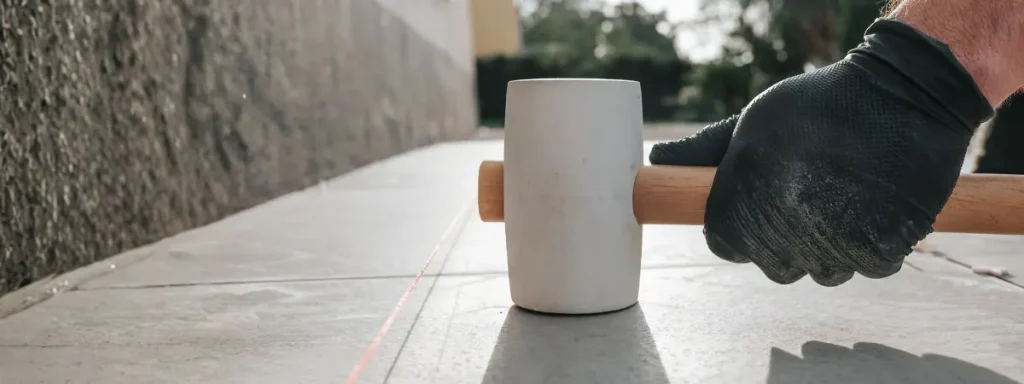
Travertine is a versatile natural stone that adds elegance and durability to both residential and commercial spaces. From large-format flooring to wall cladding and outdoor applications, travertine tiles are widely used across villas, apartments, and hospitality projects in the UAE.
If you are planning to use travertine for your project, you can explore a full range of available options in the travertine collection.
This guide provides a complete overview of how to install travertine tiles for floors and walls, including preparation, tile selection, cutting, layout, and finishing.
Choosing the Right Travertine Tile
Before installation, selecting the right type of travertine is essential.
Tile Size and Thickness:
Common sizes include 12×12, 18×18, or larger formats used in modern flooring. Floor tiles are typically thicker (10–12 mm), while wall tiles are lighter (8–10 mm).
For flooring applications, selecting the correct thickness is critical.
Finish:
Polished tiles offer a glossy appearance, while honed or honed-and-filled tiles provide better grip and are more suitable for practical applications such as bathrooms and high-traffic areas.
You can explore different travertine finishes here .
Quality:
Check for uniform thickness and properly filled surfaces. High-quality travertine ensures easier installation and long-term durability.
View available travertine products here .
Natural Variation:
Travertine has natural color and texture variation. Arrange tiles before installation to achieve a balanced layout.
Preparing the Surface
Proper surface preparation ensures long-term performance.
Clean the Surface:
Remove dust, grease, and old materials.
Level the Floor or Wall:
A flat surface prevents cracking and misalignment.
This is especially important for flooring installations and wall cladding.
Primer (if needed):
Concrete or drywall surfaces may require primer or cement boards.
Layout Planning:
Dry-lay tiles before fixing to optimize layout and reduce edge cuts.
Tools and Materials Needed
To install travertine tiles, you’ll need:
- Tile cutter or wet saw
- Notched trowel
- Tile spacers
- Level
- Rubber mallet
- Grout float
- Adhesive suitable for natural stone
- Sealer (recommended)
Using the right materials ensures better bonding and durability.
Installing Floor or Wall Tiles
Step 1: Apply Adhesive
Spread adhesive evenly using a notched trowel.
Step 2: Set Tiles
Place tiles firmly and use spacers for consistent joints.
Step 3: Check Level
Continuously check alignment.
Step 4: Cutting Tiles
Use a wet saw for precision cutting.
For best results, installation should match the intended application (floor or wall).
Grouting and Finishing
After 24–48 hours:
- Remove spacers
- Apply grout
- Clean surface
- Apply sealer (recommended)
Sealing improves stain resistance, especially in kitchens and bathrooms .
Tips for a Successful Installation
- Always dry-lay tiles first
- Work in small sections
- Maintain equal spacing
- Clean adhesive immediately
- Check level frequently
Proper technique ensures professional results and long-term durability.
Replacing Travertine Tiles
To replace a damaged tile:
- Remove grout
- Lift the tile
- Clean the area
- Apply new adhesive
- Install replacement tile
This process is easier when using honed or filled travertine tiles.
FAQ – Travertine Installation
How thick should travertine tile be for floors?
Typically 10–12 mm for durability .
Can I install travertine myself?
Yes, but professional installation is recommended for large projects.
How much does installation cost?
Varies by size, finish, and labor.
Do finishes affect installation?
No, but polished tiles require extra care.
Conclusion
Installing travertine tile is a practical way to enhance both aesthetics and long-term value. With proper preparation and correct material selection, travertine can perform exceptionally well in flooring, wall cladding, and architectural applications.
For high-quality travertine tiles suitable for all applications, explore the full collection here.