
Choosing Marble Flooring: Durability, Cost, and Maintenance
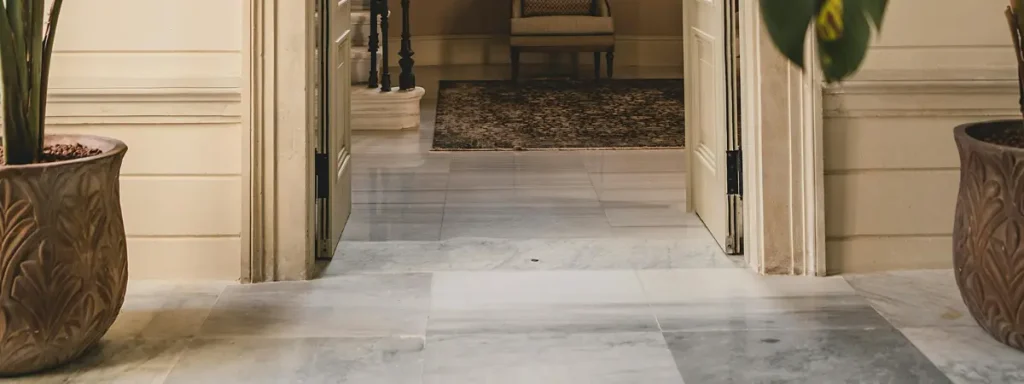
Marble flooring has long been associated with elegance, luxury, and timeless design. From classic villas and historic buildings to modern apartments and office spaces, marble continues to be a popular flooring choice around the world. However, before deciding to install marble floors, many buyers ask important questions such as is marble durable, is marble good for flooring, how much is marble flooring, and is marble expensive.
This guide is designed to help homeowners, designers, and business owners make an informed decision. We will explore the durability of marble, its advantages and disadvantages as a flooring material, pricing factors, maintenance requirements, and long-term value. By the end of this article, you will have a clear understanding of whether marble flooring is the right choice for your space.
Is Marble Good for Flooring?
Yes, marble is a very good option for flooring when chosen and installed correctly. One of marble’s greatest strengths is its natural beauty. The unique veining, smooth surface, and reflective finish instantly elevate the appearance of any interior space.
Marble flooring works especially well in:
- Living rooms and reception areas
- Hallways and entrances
- Office lobbies and commercial spaces
- Luxury apartments and villas
- Hotels and high-end retail environments
Marble also complements a wide range of interior styles, from classical and traditional to modern and minimalist. Because it is a natural stone, no two marble floors look exactly the same, giving each space a unique character.
However, marble flooring is best suited for indoor use. While it can handle daily foot traffic, proper installation and maintenance are key to ensuring long-term performance.
Is Marble Durable?
One of the most common concerns buyers have is is marble durable enough for flooring. The answer is yes. Marble is a durable natural stone, especially when it comes to structural strength.
Marble has been used in buildings for thousands of years, including temples, palaces, and public monuments that still stand today. This alone demonstrates its long-term durability.
What Makes Marble Durable?
- Formed under high pressure and heat
- Dense stone structure
- Resistant to cracking under normal use
- Long lifespan when maintained properly
That said, marble is softer than stones like granite or quartzite. This means it can scratch more easily if exposed to abrasive dirt or heavy impacts. However, with regular cleaning and basic care, marble flooring can last for decades without losing its charm.
In both residential and office environments, marble performs very well when foot traffic is managed properly and protective measures, such as rugs or mats, are used in high-traffic areas.
Is Marble Porous?
Yes, marble is porous, which means it can absorb liquids if left unprotected. Porosity is a natural characteristic of many stones, including marble, limestone, and travertine.
Because marble is porous:
- Liquids like water, oil, or coffee can penetrate the surface if spills are not cleaned promptly
- Staining can occur without proper sealing
- Regular maintenance is important
The good news is that modern sealing products significantly reduce marble’s porosity. When marble flooring is sealed correctly, it becomes much more resistant to moisture and stains.
How to Manage Marble’s Porosity
- Apply a high-quality stone sealer after installation
- Re-seal periodically based on usage
- Clean spills immediately
- Use mild, stone-safe cleaners
With proper sealing and care, marble’s porosity is not a major drawback for most indoor flooring applications.
Advantages of Marble Flooring
Marble flooring offers several advantages that make it a preferred choice for many buyers.
Key Benefits
- Timeless beauty: Marble never goes out of style
- Natural material: Eco-friendly and long-lasting
- Unique patterns: No two slabs are identical
- Cool surface: Ideal for warm climates
- Adds property value: Enhances resale appeal
Marble also reflects light well, making rooms appear brighter and more spacious. This is especially beneficial in offices, lobbies, and living areas.
Disadvantages of Marble Flooring
Like any material, marble also has some limitations that buyers should consider.
Potential Drawbacks
- Requires sealing and regular maintenance
- Can be slippery when polished
- Higher initial cost compared to ceramic tiles
These disadvantages do not make marble a poor choice, but they do mean that buyers should be realistic about maintenance and usage expectations.
How Much Is Marble Flooring?
One of the most frequently asked questions is how much does marble flooring cost. The price of marble flooring varies widely depending on several factors.
Factors That Affect Marble Flooring Cost
- Type and origin of marble
- Color and rarity
- Slab thickness and size
- Polishing and finishing quality
- Transportation and installation costs
On average, marble flooring is more expensive than ceramic or porcelain tiles but can be comparable to other natural stones.
Typical Cost Range
- Entry-level marble: Lower-cost options with simpler patterns
- Mid-range marble: Most residential projects fall into this category
- Premium marble: Rare colors and high-end finishes
While the upfront cost may be higher, marble flooring often offers better long-term value due to its durability and timeless appeal.
Is Marble Expensive?
Compared to standard flooring materials, yes. Marble is considered a premium product. However, “expensive” should always be evaluated in terms of lifespan and value.
Marble flooring can last for decades, sometimes even generations, when properly maintained. Unlike synthetic materials, marble can be re-polished and restored multiple times instead of being replaced.
Why Marble Is Worth the Investment
- Long lifespan
- Can be refinished instead of replaced
- Increases property value
- Maintains aesthetic appeal over time
When these factors are considered, marble flooring is often a cost-effective investment rather than a luxury expense.
Marble Flooring Maintenance and Longevity
Maintenance plays a key role in determining how long marble flooring lasts.
Basic Maintenance Tips
- Sweep or dust regularly to prevent scratches
- Use pH-neutral stone cleaners
- Avoid acidic or abrasive products
- Clean spills immediately
- Re-seal periodically
With these simple steps, marble flooring can easily last 30 to 50 years or more, making it one of the longest-lasting flooring materials available.
FAQ: Marble Flooring Buying Guide
Is marble durable?
Yes, marble is a durable natural stone that can last for decades when properly installed and maintained.
Is marble good for flooring?
Marble is an excellent flooring choice for indoor spaces, offering beauty, longevity, and timeless style.
How much does marble flooring cost?
The cost varies based on marble type, origin, and finish, but it is generally considered a premium flooring option.
Is marble expensive?
Marble has a higher upfront cost, but its long lifespan and ability to be refinished make it a valuable long-term investment.
Is marble porous?
Yes, marble is naturally porous, but sealing and proper care greatly reduce moisture absorption and staining.
Conclusion
Choosing marble flooring is a decision that combines aesthetics, durability, and long-term value. While marble requires some maintenance and has a higher initial cost, its beauty, lifespan, and ability to enhance any space make it a highly desirable flooring material.
If you are looking for a flooring option that offers elegance, durability, and lasting appeal for your home or office, marble remains one of the best choices available. By understanding its characteristics, costs, and care requirements, you can confidently decide whether marble flooring is the right investment for your project.