
Marble Colors Guide: White, Pietra, Beige & Cream
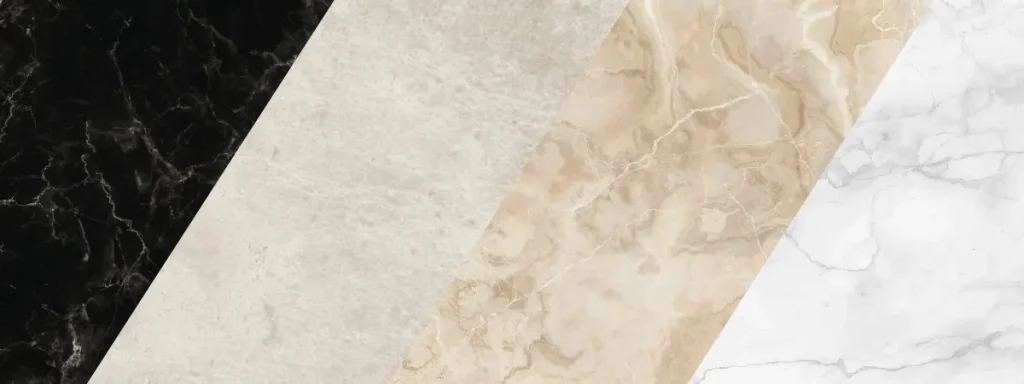
Marble has remained one of the most prestigious and enduring natural stones in architecture for centuries. From classical palaces to contemporary luxury villas, it continues to define refinement, permanence, and architectural status. In the UAE — particularly in cities such as Dubai and Abu Dhabi — marble plays a central role in high-end residential, hospitality, and commercial developments where material selection directly influences perceived value and design identity.
Among the most demanded marble colors in the UAE market are White, Pietra (dark grey), Beige, and Cream. These tones dominate villa flooring, hotel lobbies, majlis areas, retail interiors, and premium apartment projects across the region. Each color carries a distinct architectural character and performs differently depending on lighting conditions, scale, and design concept.
This comprehensive guide explores the visual impact, practical considerations, and best-use scenarios for these four dominant marble color families in UAE projects.
White Marble: Brightness, Prestige & Spatial Expansion
White marble is synonymous with luxury and timeless elegance. In a region where large windows, high ceilings, and open-plan layouts are common, white marble enhances natural light and amplifies spatial perception.
In UAE villas, where expansive glazing is standard, white marble reflects sunlight effectively, making interiors feel brighter and more open. This is particularly beneficial in contemporary developments that prioritize minimalism and architectural clarity.
Visual Characteristics
- Clean white background
- Soft grey or silver veining
- Linear or cloud-like movement
- High light reflectivity
White marble creates a refined and neutral base that allows furniture, lighting, and decorative elements to stand out. It works seamlessly in both ultra-modern and classical interiors.
Common Applications in the UAE
- Grand villa entrance halls
- Open-plan living areas
- Bathroom walls and vanities
- Kitchen countertops and islands
- Hotel lobbies and reception floors
Design Pairings
White marble pairs beautifully with:
- Brushed brass and gold finishes
- Glass railings
- Natural oak or walnut wood
- Minimalist LED strip lighting
- Black accent frames for contrast
Because of its neutrality, white marble also increases resale appeal in real estate markets like Dubai, where buyers often prefer bright, contemporary interiors.
Pietra Marble (Dark Grey): Architectural Drama & Contrast
Pietra-style marble refers to deep grey or charcoal marble with striking white veining. One of the most recognized stones in this category is Pietra Grey marble, widely used in modern UAE projects.
Unlike white marble, Pietra creates visual weight and dramatic contrast. It is often used strategically rather than across entire large floors in smaller spaces.
Visual Characteristics
- Deep charcoal or dark grey base
- Strong white linear veining
- Bold contrast
- Architectural texture
In contemporary villas across Dubai, Pietra marble is frequently used as a statement element rather than a background material.
Ideal Applications
- Feature walls in living rooms
- Luxury bathroom cladding
- Staircase treads and risers
- Reception desks
- Retail display areas
- Elevator lobbies
Why It Works in the UAE Market
Modern Gulf architecture increasingly incorporates contrast; black frames, bronze metal accents, smoked glass, and matte finishes. Pietra marble complements this trend perfectly. It creates a powerful focal point while maintaining a premium natural stone appearance.
When paired with controlled lighting, such as spotlights or concealed LED strips, the white veins in Pietra marble become a design feature on their own.
Beige Marble: Warmth & Traditional Elegance
Beige marble remains one of the most demanded stones in the Gulf region. It aligns closely with traditional Arabic interiors and large-scale villa developments where warmth and comfort are prioritized.
Unlike the crisp contrast of white marble, beige marble introduces softness and harmony.
Visual Characteristics
- Warm beige or sandy background
- Subtle brown or cream veining
- Balanced, low-contrast movement
- Natural earth tones
Because the UAE climate is intense and exterior environments are bright, many homeowners prefer interior materials that create warmth rather than stark contrast. Beige marble achieves this balance effectively.
Popular Applications
- Large villa flooring areas
- Hallways and corridors
- Staircases
- Hotel corridors
- Residential building common areas
Design Compatibility
Beige marble works especially well with:
- Decorative gypsum ceilings
- Warm LED lighting
- Wooden furniture
- Ornamental moldings
- Traditional Arabic décor elements
In high-ceiling villas, beige marble maintains luxury while creating a welcoming and comfortable atmosphere.
Cream Marble: Balanced Brightness & Modern Warmth
Cream marble sits between white and beige, offering brightness without sharp contrast and warmth without heaviness. This makes it extremely versatile across project types.
Cream marble is particularly effective in large, open-plan villas common in Dubai and Abu Dhabi developments.
Visual Characteristics
- Soft cream base tone
- Gentle movement patterns
- More uniform background
- Subtle elegance
Because cream marble is less visually busy, it works well across expansive continuous flooring without overwhelming the design.
Best Applications
- Large living rooms
- Open-plan villa floors
- Commercial offices
- Hospitality projects
- High-end apartment developments
Cream marble supports contemporary Gulf interior design trends, which emphasize brightness, openness, and understated luxury.
Technical Considerations for Marble Selection in the UAE
Choosing marble color goes beyond aesthetics. Climate, lighting intensity, maintenance expectations, and architectural scale all influence the best choice.
Lighting Conditions
The UAE receives strong natural sunlight throughout the year.
- White and cream marbles enhance brightness.
- Dark Pietra marbles require thoughtful lighting design.
- Beige performs well in both natural and artificial lighting environments.
Space Scale
- Large villas can accommodate darker statement marbles.
- Smaller apartments benefit from lighter tones.
- Commercial spaces may combine light flooring with dark feature elements.
Design Direction
- Modern minimal → White marble
- Bold contemporary → Pietra
- Classic Arabic → Beige
- Contemporary warm → Cream
Surface Finish
Marble in the UAE is commonly available in:
- Polished finish (high gloss, reflective)
- Honed finish (matte, soft look)
- Brushed finish (textured, anti-slip applications)
For villa interiors, polished marble is most common due to its reflective luxury appearance.
Marble and Property Value in the UAE
In premium real estate markets such as Dubai, material selection directly affects perceived value. Marble flooring remains one of the strongest indicators of luxury construction.
High-quality marble:
- Elevates property positioning
- Increases buyer appeal
- Reflects construction quality
- Supports long-term durability
Developers often select marble strategically to differentiate high-end villas and luxury residential towers from mid-range properties.
Combining Marble Colors Strategically
Many successful UAE projects combine multiple marble tones rather than relying on one single color.
Examples:
- White flooring + Pietra feature wall
- Beige flooring + cream staircase
- Cream base + dark marble bathroom accent
- White common areas + dark retail interior highlights
This layered approach adds depth while maintaining visual harmony.
Final Thoughts
White, Pietra, Beige, and Cream marbles each offer a distinct architectural identity suited to different project types in the UAE. From bright, expansive villa floors to dramatic statement walls in modern retail spaces, marble continues to define luxury construction across the region.
Selecting the right marble color requires understanding light exposure, architectural scale, cultural preferences, and design direction. It is not merely a decorative decision but a structural design choice that shapes atmosphere, property value, and long-term appeal.
In a market where material quality communicates prestige, marble remains one of the most powerful design elements in high-end UAE construction.