
Travertine Finishes Explained: Honed, Polished, Filled, and Antique
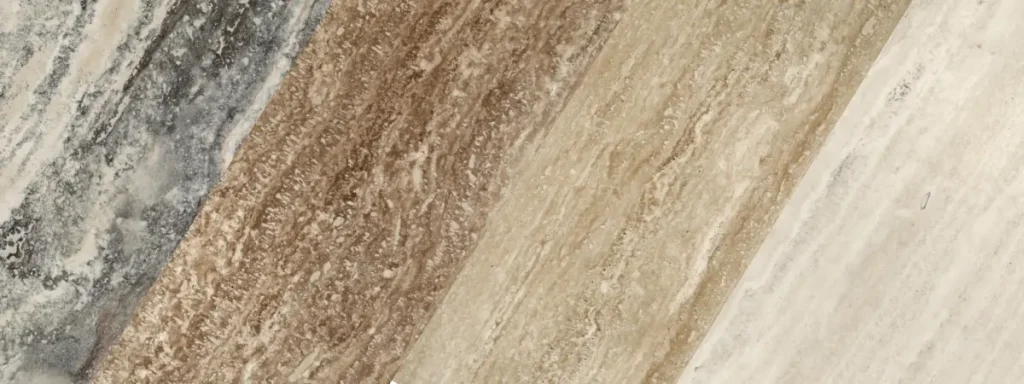
Travertine is one of the most popular natural stones used in flooring, walls, bathrooms, and outdoor spaces. Its warm tones, natural texture, and timeless look make it a favorite choice for both modern and classic designs. However, one of the most important decisions when choosing travertine is not just the color or size but the finish.
Different travertine finishes completely change the look, feel, and performance of the stone. A honed surface creates a soft and natural appearance, while polished travertine delivers a glossy, luxurious effect. Filled and antique finishes offer their own distinct character and practicality.
In this guide, we’ll explain the most common travertine finishes, how they are made, and where each one works best so you can choose the right option for your project.
What Is Natural Travertine?
Before talking about finishes, it helps to understand the base material. Travertine is a natural limestone formed by mineral deposits from hot springs. This process creates small holes and pores within the stone, giving travertine its signature texture and organic appearance.
These natural characteristics are what make travertine unique. Finishing techniques simply enhance or modify the surface to suit different styles and uses.
Honed Travertine
Honed travertine is one of the most popular and widely used finishes.
This finish is created by grinding the surface of the stone until it becomes smooth and flat, but without adding shine. The result is a matte or satin look that feels soft and natural underfoot.
Because it is not glossy, honed travertine provides better slip resistance, making it a practical choice for floors and high-traffic areas.
Where honed travertine works best:
- Living room floors
- Hallways
- Kitchens
- Outdoor patios
- Commercial spaces
Many designers prefer honed travertine floor tile because it looks modern, clean, and understated while still showcasing the natural beauty of the stone.
Honed and Filled Travertine
Travertine is a natural stone that contains small holes and voids as part of its formation. In honed and filled travertine, these natural cavities are first filled with a color-matched resin or cement, and the surface is then honed to create a smooth, flat, and matte finish.
It is important to note that “honed” and “filled” are not the same thing, even though they are commonly mentioned together. Honed refers to the surface finish, meaning the stone has been ground smooth with a non-shiny appearance. Filled refers to the treatment of the stone’s natural pores and holes, which are sealed to create a more even surface. When both processes are applied, the result is honed and filled travertine.
Key benefits of honed and filled travertine include:
- Smooth and comfortable walking surface
- Easier cleaning and maintenance
- More consistent and refined appearance
- Ideal for indoor residential flooring
If you prefer a natural stone look with minimal texture and straightforward upkeep, honed and filled travertine is an excellent choice.
Polished Travertine
Polished travertine offers a completely different aesthetic.
After honing, the stone is further polished using fine abrasives until it develops a glossy, reflective surface. This brings out deeper colors and enhances the veining patterns in the stone.
Polished travertine tile creates a more luxurious and elegant look, often used in formal or high-end interiors.
Where polished travertine is commonly used:
- Feature walls
- Bathrooms
- Hotel lobbies
- Decorative spaces
- Low-traffic areas
Because polished surfaces are smoother and shinier, they may feel more slippery when wet, so they are usually better suited for walls or dry indoor spaces rather than outdoor or wet areas.
Antique (Tumbled) Travertine
Antique, also known as tumbled travertine, has a rustic and aged appearance.
The tiles are mechanically tumbled to soften edges and create a weathered look. This gives the stone a classic, old-world charm that works beautifully in traditional or Mediterranean-style designs.
The surface texture is slightly rough, which increases grip and makes it suitable for both indoor and outdoor use.
Ideal applications:
- Garden paths
- Pool surrounds
- Outdoor patios
- Rustic interiors
- Accent walls
If you like a warm, historic, or vintage aesthetic, antique travertine is a great choice.
Travertine Colors and Styles
Travertine is available in a wide range of natural colors. The finish you choose can slightly affect how these colors appear.
Common travertine colors include:
Polished finishes usually make colors look richer and darker, while honed finishes provide a softer and more neutral tone.
Selecting both the right color and finish helps create the exact mood you want for your space.
Choosing the Right Travertine Finish
The best finish depends on how and where the stone will be used.
If you want something practical and versatile, honed or honed and filled travertine is often the safest option. For a luxury or decorative look, polished travertine works beautifully. For outdoor or rustic spaces, antique finishes provide both style and function.
Think about foot traffic, moisture, maintenance preferences, and overall design style before making your final decision.
Travertine is naturally durable and long-lasting, so once you choose the right finish, it can stay beautiful for many years with simple care.
FAQ – Travertine Finishes and Types
What is honed travertine?
Honed travertine has a smooth, matte surface without shine. It offers a natural look and good slip resistance, making it ideal for floors.
What is filled travertine?
This type has its natural holes filled and then smoothed. It creates a flatter surface that is easier to clean and maintain.
Is honed the same as filled travertine?
No. Honed describes the smooth matte finish of the surface, while filled refers to sealing the natural holes in the stone. Many tiles are honed and filled, but the two terms describe different processes.
What is polished travertine tile?
Polished travertine is buffed to a glossy finish that enhances color and creates a luxurious appearance, often used for walls and decorative spaces.
Which travertine finish is best for floors?
Honed or honed and filled finishes are typically best because they provide comfort, durability, and better traction.
What colors does travertine come in?
Travertine is available in beige, cream, chocolate, silver, white, and other natural tones.
Conclusion
Travertine’s versatility is one of its greatest strengths. With multiple finishes available; from soft honed surfaces to glossy polished tiles and rustic antique textures. This natural stone can adapt to almost any design style or functional need.
By understanding the differences between each finish, you can confidently select the right travertine for your floors, walls, or outdoor spaces and enjoy a timeless, elegant result for years to come.