
Marble Basics: What Is Marble and Where Does It Come From?
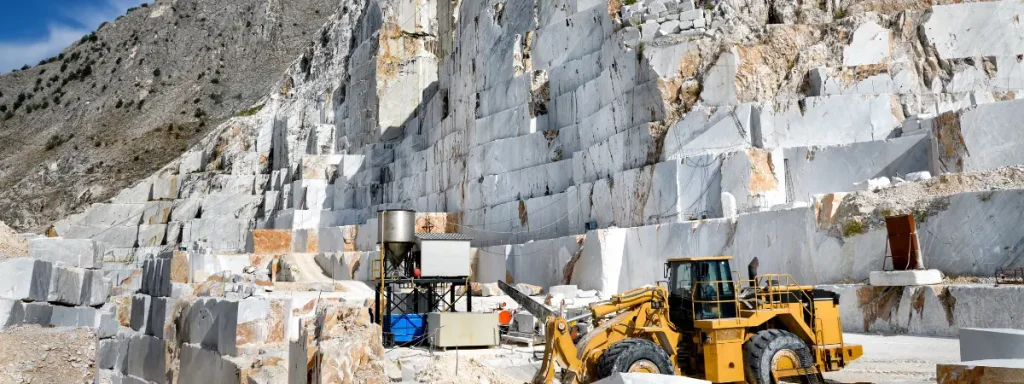
Marble is one of the most admired natural stones in the world, valued for its elegance, durability, and timeless beauty. From ancient monuments and classical sculptures to modern homes and luxury commercial projects, marble has played a key role in architecture and design for centuries. Despite its popularity, many people still ask fundamental questions such as what is marble, where is marble found, and how marble is made in a factory.
This educational guide is designed for anyone who wants a clear and complete understanding of marble. We will explore what marble is, how it forms in nature, where it is found around the world, how it is processed in factories, and where to buy high-quality marble slabs.
What Is Marble?
Marble is a natural metamorphic stone that originates from limestone. Over millions of years, limestone is transformed into marble through intense heat and pressure deep within the Earth’s crust. This geological process changes the stone’s internal structure, making it denser, stronger, and capable of achieving a smooth, polished surface.
Chemically, marble is primarily composed of calcium carbonate. During the transformation process, minerals and impurities present in the stone create the distinctive veins and color variations that make each marble slab unique. No two pieces of marble are exactly the same, which adds to its natural charm and value.
Key Characteristics of Marble
- Natural and elegant appearance
- Smooth texture with high polish potential
- Durable and long-lasting when properly maintained
- Wide range of colors, including white, cream, gray, green, pink, and black
- Suitable for both residential and commercial applications
Because of these qualities, marble is commonly used for flooring, wall cladding, countertops, staircases, columns, and decorative architectural elements.
Where Does Marble Come From?
To understand where marble comes from, it is important to look at its geological origin. Marble forms when limestone is buried deep beneath the Earth’s surface and exposed to extreme pressure and high temperatures. This process, known as metamorphism, recrystallizes the limestone and turns it into marble.
This transformation takes place over millions of years, making marble a truly natural and rare material. The slow formation process contributes to marble’s strength, density, and distinctive visual patterns.
How Marble Is Formed in Nature
The formation of marble is a slow and complex natural process. It begins with limestone, which itself forms from sedimentary deposits, often at the bottom of ancient seas.
Natural Formation Process of Marble
- Limestone forms from compressed marine sediments
- Tectonic movements push limestone deep underground
- High heat and pressure alter the stone’s structure
- Crystals recrystallize, increasing density and strength
- Limestone transforms into marble
During this process, minerals such as iron, graphite, and quartz influence the final color and veining of the marble. This is why marble can range from pure white to richly patterned and dark-toned varieties.
How Is Marble Made in a Factory?
Once marble is extracted from the quarry, it must undergo several industrial processes before it can be used in construction or design projects. Many people wonder how marble is made in a factory, and while marble itself is not “manufactured,” it is carefully processed and refined.
Marble Processing Steps in a Factory
- Quarrying and Extraction
Large blocks of marble are cut from the quarry using advanced machinery and precise cutting techniques to minimize damage and waste.
- Transportation
The extracted marble blocks are transported to processing factories, where they are prepared for cutting and finishing.
- Cutting into Slabs
The marble blocks are sliced into slabs of standard thickness, usually 2 or 3 centimeters, using gang saws or diamond wire machines.
- Surface Grinding and Polishing
The slabs go through multiple stages of grinding and polishing. This process smooths the surface and enhances the stone’s natural shine and color.
- Quality Control
Each slab is inspected for cracks, consistency, color balance, and surface quality to ensure it meets industry standards.
- Packaging and Distribution
Finally, the finished marble slabs are carefully packed and prepared for delivery to local markets or international buyers.
This factory process is essential for transforming raw marble into high-quality slabs suitable for architectural and decorative use.
Where Is Marble Found?
Marble is found in many regions around the world, particularly in areas with a long history of geological activity. However, not all marble is the same. Quality, color, and texture depend heavily on the location of the quarry and the conditions under which the stone formed.
Major Marble-Producing Countries
- Iran – One of the world’s leading producers of high-quality marble, known for its wide color range and strong structure
- Italy – Famous for Carrara marble, used in classical sculptures and luxury architecture
- Turkey – A major exporter with a large variety of marble types
- Spain – Known for decorative and architectural marble
- India – Offers diverse marble colors and patterns
- Greece – Historic source of white and light-colored marble
- China – Large-scale production for global markets
Iran, in particular, is home to vast marble reserves and is widely recognized for producing durable, well-structured stone suitable for both domestic projects and international markets. At Sanaei Stone, we source our marble directly from our own quarries in Iran and supply it to the UAE, ensuring consistent quality and reliable availability.
Common Applications of Marble
Marble’s versatility makes it suitable for a wide range of applications in both classic and modern designs.
Popular Uses of Marble
- Flooring in residential and commercial buildings
- Interior wall cladding and feature walls
- Staircases and entrance halls
- Kitchen countertops and bathroom vanities
- Hotel lobbies and luxury retail spaces
- Sculptures and decorative elements
When properly selected and maintained, marble adds long-term value and visual appeal to any space.
Where to Buy Marble Slab?
Choosing the right source is essential when purchasing marble slabs. Quality can vary significantly depending on the quarry, processing methods, and supplier expertise.
Tips for Buying Marble Slabs
- Check the consistency and surface quality of the slab
- Ask about the quarry origin
- Inspect polishing and finishing quality
- Work with reputable suppliers or manufacturers
The best place to buy marble slabs is from companies that work directly with quarries and professional processing factories. This ensures better quality control, wider selection, and competitive pricing.
FAQ: Marble Basics
What is marble?
Marble is a natural metamorphic stone formed from limestone under high heat and pressure, known for its beauty, durability, and polishable surface.
Where is marble found?
Marble is found in many countries, including Iran, Italy, Turkey, India, Spain, and Greece. Each region produces marble with unique characteristics.
How is marble made in a factory?
Marble is not created in a factory but processed there. After quarrying, marble is cut into slabs, polished, inspected, and prepared for use.
Where to buy marble slab?
Marble slabs are best purchased from reliable suppliers who source directly from quarries and use professional factory processing.
Conclusion
Marble is a remarkable natural stone that combines geological history, durability, and timeless beauty. Understanding what marble is, where it comes from, how it forms in nature, and how it is processed in factories helps buyers, designers, and builders make informed decisions.
From ancient architecture to modern luxury interiors, marble continues to be a symbol of quality and elegance. By choosing high-quality marble from a trusted source, you can ensure that your project benefits from both natural beauty and long-lasting performance.