
Marble Basics: What Is Marble and Where Does It Come From?
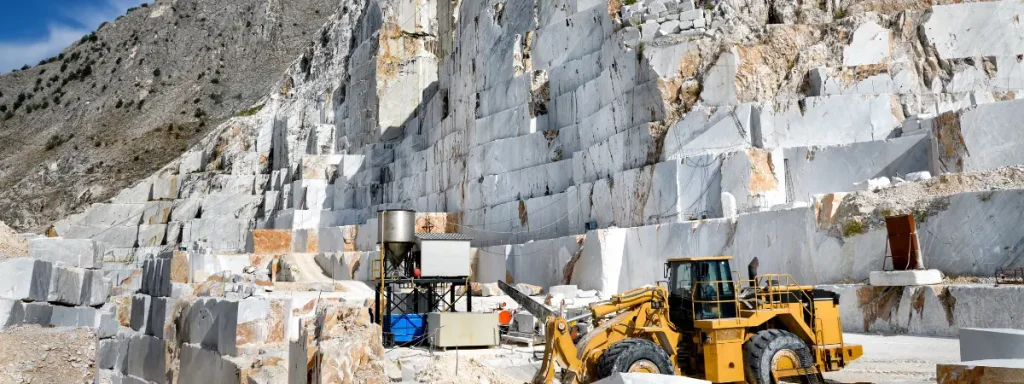
Marble is one of the most admired natural stones in the world, valued for its elegance, durability, and timeless beauty. From ancient monuments to modern luxury interiors, marble continues to play a key role in architecture and design.
If you are exploring marble options for your project, you can discover a wide range of natural stone solutions through our main website or explore available marble products here.
This guide explains what marble is, how it forms, where it comes from, and how to choose the right marble for your project.
What Is Marble?
Marble is a natural metamorphic stone formed from limestone under high heat and pressure.
This process makes marble:
- Dense and durable
- Smooth and polishable
- Visually unique with natural veining
Each marble slab has its own pattern, making it a premium material for architectural use.
You can explore premium marble slabs such as Persian Silk marble here .
Key Characteristics of Marble
- Natural and elegant appearance
- High polish potential
- Long lifespan
- Wide color range (white, cream, grey, black)
- Suitable for residential and commercial projects
Popular marble types include white marble, cream marble, and Persian Princess marble .
Where Does Marble Come From?
Marble forms deep within the Earth when limestone is exposed to extreme pressure and heat over millions of years.
This natural transformation creates strong, durable stone with unique visual patterns.
How Marble Is Formed in Nature
Marble formation process:
- Limestone formation
- Burial under Earth layers
- Exposure to heat and pressure
- Recrystallization
- Transformation into marble
Minerals like iron and quartz influence the final color and veining.
How Is Marble Processed?
After extraction, marble goes through several stages:
- Quarrying
- Transportation
- Cutting into slabs
- Polishing
- Quality control
- Packaging
High-quality processing ensures consistent marble slabs suitable for flooring and interior applications.
Where Is Marble Found?
Marble is found globally, but quality depends on origin.
Key countries include:
- Iran
- Italy
- Turkey
- Spain
- India
Iran is known for producing high-quality marble with strong structure and diverse colors.
At Sanaei Stone, marble is sourced directly from quarries and supplied to projects through our platform .
Common Applications of Marble
Marble is widely used in:
- Flooring
- Wall cladding
- Staircases
- Kitchens
- Bathrooms
- Commercial interiors
👉 For flooring and interior projects, selecting the right marble type is essential .
Where to Buy Marble Slabs?
Choosing the right supplier is critical.
What to look for:
- Consistent slab quality
- Verified quarry source
- Professional processing
- Reliable supply
You can explore a wide range of marble products including:
- Persian Silk Marble
- White Marble
- Cream Marble
- Persian Princess Marble
FAQ: Marble Basics
What is marble?
A natural stone formed from limestone under pressure and heat.
Where is marble found?
In countries like Iran, Italy, Turkey, and India.
How is marble processed?
Cut, polished, and prepared for construction use.
Conclusion
Marble combines natural beauty, durability, and long-term value, making it one of the most preferred materials in architecture.
By understanding marble’s origin and characteristics, you can make better decisions when selecting materials for your project.
To explore available marble options and find the right product, visit the full marble collection or browse the sanaei stone website.